
Renovating a Rental Property: A Guide for Landlords
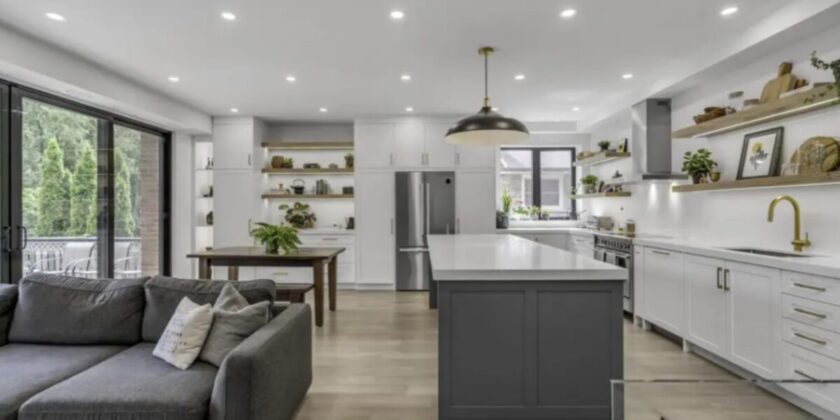
Landlords may find it very wise to renovate their rental property, yet it is an activity that needs proper planning, budgeting, and understanding of legal and market conditions. Regardless of whether you want to raise the value of the property, find better tenants, or make the place more energy-efficient, this guide will take you through all the necessary information about renovating your rental property.
Why Renovate Your Rental Property?
There are several advantages of renovating a rental property to the landlords.
It can help you:
Rent and ROI: With an upgrade, you can potentially increase rent, which will result in a higher return on investment (ROI).
Find Good Tenants: Good tenants are the ones who will pay on time and will stay longer and this can be achieved by maintaining and modernizing the property.
Improve Property Value: The value of the property can be improved through renovation and hence more profitable when selling.
Remain Competitive in the Market: When there is a competitive rental market, one must ensure that his or her property is up to date so that it can stand out among other landlords.
Types of Renovations That Add Value
All renovations do not create the same value to a rental property.
The following are the most popular kinds of renovations to be undertaken by landlords:

1. Cosmetic Upgrades
Aesthetic modifications may make a huge difference in the general ambiance of a leasing property. These are not very expensive upgrades but give the place a new, contemporary appearance.
Paint and Flooring: A new coat of neutral color paint can make any room look bright. Replacing the old carpets or laying hardwood or laminate flooring can also change the appearance and the feel of the space immensely.
New Fixtures: Replacing old light fixtures, cabinet hardware, faucets and other minor details can immediately update a room.
2. Kitchen and Bathroom Renovations
The most significant rooms to the prospective tenants are the kitchen and the bathroom. The best investment will probably be in upgrading these areas.
Kitchen: Replacing old appliances with new ones, putting a backsplash, or changing the countertop can enhance both the functionality and the looks.
Bathroom: Replacing an old shower or tub, new fixtures, or a new tile can help your rental look more appealing to tenants seeking a high-quality place to live.
3. Energy Efficiency Upgrades
Energy-saving characteristics are an excellent option to make your rented house more attractive and decrease the expenditures in the long-term operation. Most tenants seek houses that will enable them cut on utilities.
Windows and Insulation: Energy-efficient windows and extra insulation may assist in temperature regulation by replacing old windows.
Appliance Updates: Upgrades of energy efficient appliances like dishwashers, washers and dryers can reduce energy costs to your tenants besides making the property more appealing.
Smart Thermostats: The installation of smart thermostats will enable the tenants to regulate the temperature effectively and this can be a good selling point.
4. Safety and Structural Improvements
Aesthetics is not the only reason to perform structural repairs and safety enhancements; you must do it to keep your tenants safe and sound.
Roof and Foundation Repairs: Repair the roof, foundation, and other structural problematic areas so that the property is in good shape.
Electrical and Plumbing Upgrades: Replacing old electrical panels, pipes and wiring may help avoid problems in the future and keep the tenants safe.
Budgeting for Your Renovation
In renovation of a rental property, it is important to budget so as not to overspend but also so that you can get a payback on your investment.

Here’s how you can create an effective budget:
1. Determine Your Goals
Know the reason behind the renovations and what amount you are ready to spend before you begin any renovations. When you want to raise the rent then you should concentrate on renovations that will add value to the property. When you want to save on energy, you should plan on the energy-saving improvements.
2. Research the Market
Research the local rental market to know what you can charge on similar properties within your locality. This will help you have an understanding of the amount of value that the renovations will bring to your property and whether the investment is worth it.
3. Get Multiple Quotes
It is always advisable to obtain at least two quotes of contractors before deciding to do any work. Compare price, time and extent of the project to get the best deal.
4. Factor in Unexpected Costs
During renovations, some hidden issues may be discovered like mold, plumbing, or structural damage. It is always better to keep extra 10-20 percent of budget to take care of these unforeseen expenses.
Legal Considerations for Landlords
Learn about the legal requirements in the process of renovation before any renovations are made, particularly in Canada where laws differ depending on the province.
Here are some legal considerations to keep in mind:
1. Permits and Inspections
Some repairs might need permits, e.g. electrical, plumbing or structural repair. Contact local municipality to find out what permits are necessary. Without getting the right permits, this may lead to fines and delays which are expensive.
2. Tenant Rights and Notification
In Canada, there are certain rights that tenants possess, concerning renovations. When you intend to carry out major renovations, you might be required to give notice to your tenants especially when the activities will interfere with their living conditions or their lives. Always check the local tenancy laws in your province.
3. Rent Control
Some provinces have rent control laws that restrict how you can raise rent following renovations. Before you can decide to raise the rent after renovating, you should familiarize yourself with the rent increase laws in your region.
Renovation of any rental property is a good investment that may not only increase the value of the property, but also the satisfaction of your tenant. When you concentrate on the most important areas like cosmetic improvements, kitchen and bathroom remodeling, energy efficiency, and safety, there is a high chance that your property will shine among the rest in the competitive Canadian rental market.
Be sure to develop a practical budget, recruit reputable contractors, and learn your legal requirements as a landlord. By doing it the right way, you will be able to renovate your rental property and profit on it in the years to come.